Planning flatbed hire in Sandwell
Moving timber from a merchant in one town to a workshop in another is typical Sandwell work, and an open-bed vehicle often suits it better than a panel van. Dropside and flatbed hire lets you load from the sides or rear, carry lengths a box body would struggle with, and see the load throughout the journey. Private customers, trades and commercial users all face the same core questions: which body, how much weight, who is allowed to drive it, and where can you legally stop at each end.
This guide helps you prepare an enquiry that a supplier can answer properly. It does not promise a vehicle, a collection point or a price. Specifications quoted below are representative categories, so treat every figure as something to confirm against the vehicle you are actually allocated. Aim to arrive at collection knowing your load weight, your restraint plan and the stopping arrangements at both addresses.
Six towns, two postcodes, one plan
Sandwell is not a single city with one centre. The council describes six main towns: Oldbury, Rowley Regis, Smethwick, Tipton, Wednesbury and West Bromwich. A job described only as being in Sandwell tells a supplier or helper almost nothing about the streets, kerbs and access you will meet.
When you enquire, give the town and full postcode for the collection address, every drop and where the vehicle goes afterwards. A Tipton workshop to Wednesbury yard transfer is a different day from a Smethwick merchant run, even if the load is identical. Naming each stop lets you check the approach for each one, work out whether someone can help lift at both ends, and judge whether a longer or heavier vehicle will actually fit where it needs to stand.
Sources: Sandwell Council: the six towns
Choosing between the dropside categories
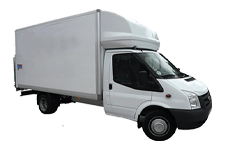
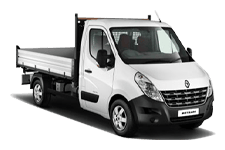
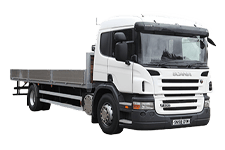
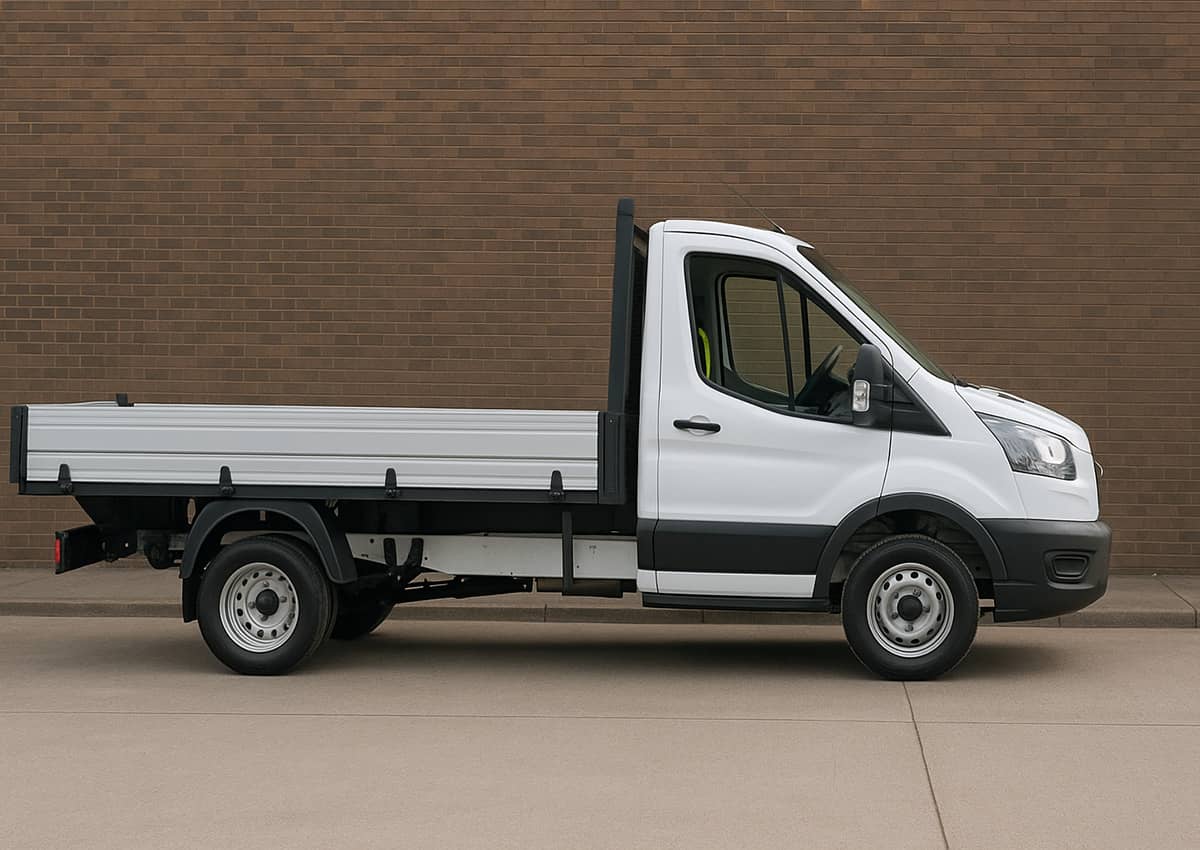
A 3 metre dropside is the compact choice for fencing, boards, bagged materials and smaller tools. One published example lists a payload around 1,100 kg, but that is representative only, so confirm the allocated vehicle's figure and bed width. A 4 metre dropside, around 2 metres wide in published examples, suits longer timber, pipe and site supplies needing extra deck length.
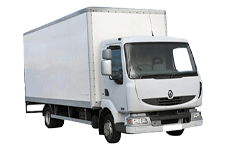
A dropside with a tail lift is worth discussing for pallets or wheeled equipment going to an address without a dock, though the lift's rating is separate from the vehicle's payload. The 7.5 tonne dropside lorry, with a bed of roughly 6 metres in representative listings, handles multiple pallets, scaffolding and heavier machinery, provided the driver, route and unloading plan all suit a lorry rather than a van.
Sources: Nationwide Hire UK: 3 metre dropside, Nationwide Hire UK: 4 metre dropside, Nationwide Hire UK: dropside with tail lift, Nationwide Hire UK: 7.5 tonne dropside
Gross weight, payload and the licence you hold
Three numbers get confused. Unladen weight is the empty vehicle. Maximum authorised mass, also called gross vehicle weight, is the most the loaded vehicle may weigh, normally shown on the plate or sticker. Payload is what remains for your cargo once the vehicle, fuel, driver, passengers, pallets and packaging are counted. A 3.5 tonne van does not carry 3.5 tonnes of goods.
Licence entitlement follows the plated maximum authorised mass, not the load. Category B generally covers vehicles up to 3.5 tonnes, while C1 is needed above 3.5 and up to 7.5 tonnes. Check the categories on each driver's current licence before booking. If you are unsure of the load weight, get it weighed, using a weighbridge if needed, rather than guessing, and recheck axle loading after each partial drop.
Sources: GOV.UK: vehicle weights explained, GOV.UK: driving licence categories, DVSA: HGV overloading basics
Red routes, yellow lines and loading boxes
Kerbside rules decide whether an open-bed job is straightforward or impossible. Sandwell Council's red-route guidance for Oldbury and West Bromwich explains that double red lines mean no stopping at any time for any reason, while a single red line means no stopping during the times shown on nearby signs. On those routes, you can only stop in marked boxes that show where parking and loading are allowed.
Yellow lines are not the same as red lines. Depending on the markings, brief active loading may be possible, but the council is clear that loading or unloading is not permitted where loading restrictions are in force. Look for the kerb markings and signs that set out those restrictions, because the line alone does not settle the question. On a red route, do not plan to pull up briefly to drop the sides outside a marked box or the permitted times.
Sources: Sandwell Council: red routes, Sandwell Council: yellow lines and loading
Why each destination needs its own street check
No borough-wide permission covers every Sandwell street. An address in Oldbury or West Bromwich may sit on or near a red route, while a street around the corner may have yellow lines with different loading times. Before dispatching the load, look at the actual approach using recent street imagery, then ask the recipient where vehicles lawfully stop and whether a private yard or marked bay can be used.
Street imagery can be out of date, so treat it as a first look. On the day, read the signs at the kerb before you stop. If the planned spot turns out to be restricted, move on to the fallback you agreed rather than unloading in the hope of being quick. Plan lifting help at both postcodes too, because a legal stopping place a short walk away changes how many people you need.
Sources: Sandwell Council: red routes, Sandwell Council: yellow lines and loading, Sandwell Council: the six towns
Securing the load on an open bed
An open deck gives easy access, but the dropsides are not a restraint system by themselves. DVSA guidance says a load cannot rely on its own weight or friction, and the securing system must suit both the load and the vehicle. Before loading, check the platform, body and anchorage points, and confirm with the supplier what straps, chocks or headboard come with the vehicle rather than assuming anything is included.
Use rated attachment points, never sheeting or rope hooks, for restraint. Long timber or pipe should sit against a headboard where fitted, with enough straps to stop forward and sideways movement. If anything projects beyond the body, measure it before travel, because marking and advance notice requirements depend on the projection. Re-tension straps after the first few miles and after every drop.
Sources: DVSA: securing loads on HGVs and goods vehicles, DVSA: load securing basics, DVSA: ways to secure a load, DVSA and DfT: overhanging loads on vehicles
Side loading and unloading safely
Dropping a side lets a forklift or two people reach the load without climbing on the deck, which is the main benefit of this body type. It only works if the vehicle stands on clear, level ground, so agree in advance where it will stand at each address and who will operate any lifting equipment. Before releasing a side, check nothing is leaning against it, keep people out of the zone where items could fall, and spread the load so it stays stable as pieces come off.
A tail lift helps with pallets and wheeled items at addresses without a dock, but only on firm, level ground and within its own rating, which is separate from the vehicle's payload. Confirm the platform size and whether a pallet truck can be used on it. At a merchant yard, ask whether their forklift will load you and where you should stand while it does.
Sources: HSE: safe loading and unloading, Nationwide Hire UK: dropside with tail lift
What to agree with the supplier before you collect
Terms differ between hire companies, so read the booking documents you are given rather than relying on another provider's published conditions. Ask about deposit, insurance cover and excess, mileage, fuel, age limits, and whether commercial or trade use carries extra conditions. For 7.5 tonne vehicles, check any operator or commercial-use requirements that might apply to your job.
At collection, walk round the vehicle with the hire staff, note existing damage, read the plate, and test the sides, catches and any tail lift before you leave. Bring every named driver's licence, and if the allocated vehicle does not match the load you planned, raise it before driving away.
Sources: Third-party reference: Nationwide Hire UK terms and conditions, GOV.UK: driving licence categories